
Birds of Bodhi Mente
We log every bird we see or hear on the land with the Merlin Bird ID app. This is everyone who has shown up so far.
Where we saw them
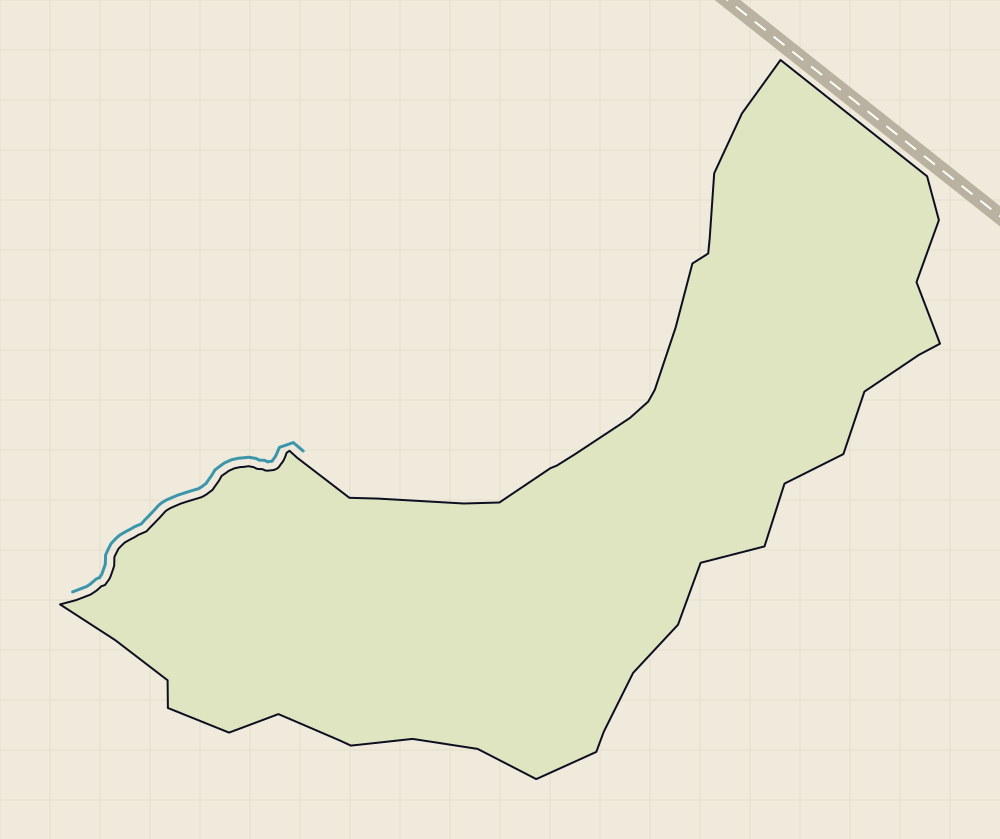 TRONCAL DEL CARIBEQuebrada Seca
 Scarlet MacawAra macao
 Rusty-margined FlycatcherMyiozetetes cayanensis
 Lance-tailed ManakinChiroxiphia lanceolata
 Rufous-tailed JacamarGalbula ruficauda
 Black VultureCoragyps atratus
 Yellow-headed CaracaraDaptrius chimachima
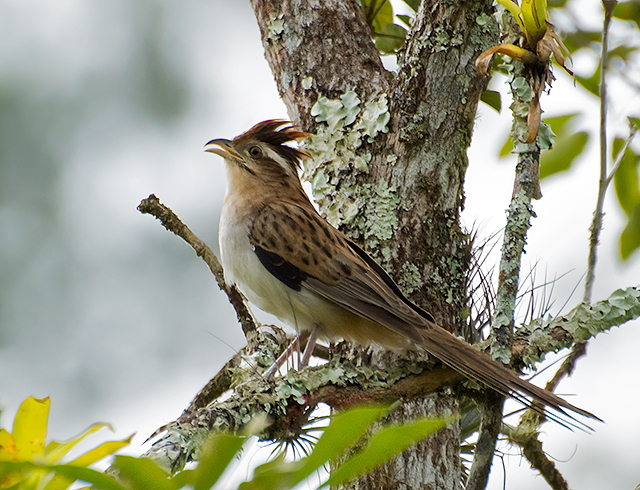 Striped CuckooTapera naevia
 White-necked PuffbirdNotharchus hyperrhynchus
 Palm TanagerThraupis palmarum
 Boat-billed FlycatcherMegarynchus pitangua
 Streaked SaltatorSaltator striatipectus
 Red-crowned WoodpeckerMelanerpes rubricapillus
 BananaquitCoereba flaveola
 Broad-winged HawkButeo platypterus
 Pale-breasted ThrushTurdus leucomelas
 Scrub GreenletHylophilus flavipes
 Short-tailed HawkButeo brachyurus
 Great-tailed GrackleQuiscalus mexicanus
 Dusky-capped FlycatcherMyiarchus tuberculifer
 Turkey VultureCathartes aura
 Crested CaracaraCaracara plancus
 Social FlycatcherMyiozetetes similis
 Yellow-crowned TyrannuletTyrannulus elatus
 Blue-gray TanagerThraupis episcopus
 White-tipped DoveLeptotila verreauxi
 Rufous-collared SparrowZonotrichia capensis
 Barred AntshrikeThamnophilus doliatus
 Ochre-lored FlatbillTolmomyias flaviventris
 Southern House WrenTroglodytes musculus
 Orange-chinned ParakeetBrotogeris jugularis
 Great KiskadeePitangus sulphuratus
 Rufous-tailed HummingbirdAmazilia tzacatl
 Yellow-bellied ElaeniaElaenia flavogaster
 Roadside HawkRupornis magnirostris
 Common Tody-FlycatcherTodirostrum cinereum
 Buff-breasted WrenCantorchilus leucotis
 Orange-billed Nightingale-ThrushCatharus aurantiirostris
 Common Squirrel-CuckooPiaya cayana
 Blue-black GrassquitVolatinia jacarina
bird species recorded on the landand counting
Scarlet Macaw
(Ara macao)First recorded: Oct 21, 2026All year

- A screeching pair
Scarlet macaws usually fly between fruiting trees in loud pairs or family groups, and they can live 40 to 50 years in the wild.
All year
Source: Mandai Wildlife Reserve · Bird Paradise
More about this bird → Rusty-margined Flycatcher
(Myiozetetes cayanensis)First recorded: Jul 11, 2026All year

- Rusty wings, lazy call
Look for the obvious rusty colour in its wings and listen for a lazy, burry “wheeer.” It is often found near water.
All year
Source: Cornell Lab · eBird
More about this bird → Lance-tailed Manakin
(Chiroxiphia lanceolata)First recorded: Jul 11, 2026All year

- The wingman strategy
Males court as a team. A junior “beta” male helps the “alpha” dance for females, but only the alpha mates. The payoff comes later: betas are more likely to become alphas themselves.
All year
Source: DuVal (2007), study on PubMed
More about this bird → Rufous-tailed Jacamar
(Galbula ruficauda)First recorded: Jul 11, 2026All year

- Snap and pound
Jacamars catch butterflies and dragonflies in mid-air with an audible snap of the bill, then pound them on the perch before eating.
All year
Source: Encyclopaedia Britannica
More about this bird → Black Vulture
(Coragyps atratus)First recorded: Jul 10, 2026All year

- No voice box
Black Vultures have no voice box, so all they can do is hiss and grunt. They are the most numerous vulture in the Western Hemisphere.
All year
Source: Cornell Lab · All About Birds
More about this bird → Yellow-headed Caracara
(Daptrius chimachima)First recorded: Jul 10, 2026All year

- Tick removal service
It is a habitual tick cleaner of large mammals, including capybaras and tapirs. In one Costa Rica study it removed ticks in 91% of its visits to tapirs.
All year
Source: Journal of Raptor Research (2018)
More about this bird → Striped Cuckoo
(Tapera naevia)First recorded: Apr 24, 2026All year
- The four-winged cuckoo
Its oversized dark alula feathers, near the bend of the wing, earned it the nickname “four-winged cuckoo.”
All year
Source: Animal Diversity Web · University of Michigan
More about this bird → White-necked Puffbird
(Notharchus hyperrhynchus)First recorded: Apr 24, 2026All year

- Where the name comes from
Puffbirds are named for their habit of perching tamely out in the open with their feathers fluffed up.
All year
Source: Encyclopaedia Britannica
More about this bird → Palm Tanager
(Thraupis palmarum)First recorded: Mar 20, 2026All year

- True to its name
It is usually found around palm trees, in noisy pairs or small flocks that give sputtering squeaks.
All year
Source: Cornell Lab · eBird
More about this bird → Boat-billed Flycatcher
(Megarynchus pitangua)First recorded: Mar 20, 2026All year

- The kiskadee's big cousin
It looks a lot like the Great Kiskadee, but with a much stouter, arched bill and a duller olive back. The two sound quite different.
All year
Source: Cornell Lab · eBird
More about this bird → Streaked Saltator
(Saltator striatipectus)First recorded: Mar 20, 2026All year

- Dusk singer
It usually sings from cover a few metres up, but sometimes, especially at dusk, it sings in flight.
All year
Source: Handbook of the Birds of the World
More about this bird → Red-crowned Woodpecker
(Melanerpes rubricapillus)First recorded: Mar 20, 2026All yearOn video

- Mixed marriages
In Costa Rica it hybridizes extensively with Hoffmann's Woodpecker. The hybrids are easy to spot: they have an orange nape and belly.
All year
Source: Cornell Lab · eBird
More about this bird → Bananaquit
(Coereba flaveola)First recorded: Mar 10, 2026All year

- The sugar thief
One of its Dutch names translates as “sugar thief.” Bold Bananaquits steal sugar right off restaurant tables.
All year
Source: Cornell Lab · All About Birds
More about this bird → Broad-winged Hawk
(Buteo platypterus)First recorded: Mar 10, 2026Oct–Apr
- A river of raptors
Satellite-tracked hawks flew about 7,000 km to northern South America, roughly 110 km a day. Their migrating flocks are so big they're called a “river of raptors.”
Oct–Apr · migrant, most seen in Oct and Mar
Source: Cornell Lab · All About Birds
More about this bird → Pale-breasted Thrush
(Turdus leucomelas)First recorded: Jan 4, 2026All year
- Easy to spot
One of the most common thrushes in lowland South America, often seen hopping in the open or feasting in a fruiting tree.
All year
Source: Cornell Lab · eBird
More about this bird → Scrub Greenlet
(Hylophilus flavipes)First recorded: Jan 4, 2026All year

- Pink bill, pale eye
Look for its pointy pink bill and pale eye. Oddly, the birds on the island of Tobago have dark eyes.
All year
Source: Cornell Lab · eBird
More about this bird → Short-tailed Hawk
(Buteo brachyurus)First recorded: Jan 3, 2026All year
- Bird specialist
It hunts almost only birds, often diving on them from great heights. It comes in a dark form and a light form.
All year
Source: Cornell Lab · All About Birds
More about this bird → Great-tailed Grackle
(Quiscalus mexicanus)First recorded: Dec 20, 2025All year

- It remembers faces
Great-tailed Grackles learn to recognize individual researchers, and females may sound the alarm when they spot one, even away from the nest.
All year
Source: Cornell Lab · All About Birds
More about this bird → Dusky-capped Flycatcher
(Myiarchus tuberculifer)First recorded: Dec 20, 2025All year

- Maybe more than one species
It has up to 13 subspecies, and some have very different calls, a hint that it may actually be more than one species.
All year
Source: Cornell Lab · All About Birds
More about this bird → Turkey Vulture
(Cathartes aura)First recorded: Dec 20, 2025All year

- Nature's cleanup crew
Its stomach is so acidic it can eat carcasses carrying anthrax, tuberculosis or rabies, which helps stop those diseases from spreading.
All year
Source: Cornell Lab · All About Birds
More about this bird → Crested Caracara
(Caracara plancus)First recorded: Dec 20, 2025All year

- The only nest-building falcon
It looks like a long-legged hawk but is a falcon, and the only falcon that collects material to build its own nest.
All year
Source: Cornell Lab · All About Birds
More about this bird → Social Flycatcher
(Myiozetetes similis)First recorded: Dec 15, 2025All year

- Lives up to its name
Noisy and social, it usually travels in pairs or small groups, and some of its calls sound like parakeets.
All year
Source: Cornell Lab · eBird
More about this bird → Yellow-crowned Tyrannulet
(Tyrannulus elatus)First recorded: Dec 13, 2025All year

- The hidden crown
Its namesake yellow crown is only sometimes visible. The best clue is its whistled “dee-DEER!”
All year
Source: Cornell Lab · eBird
More about this bird → Blue-gray Tanager
(Thraupis episcopus)First recorded: Dec 13, 2025All year

- Two looks
On this side of the Andes it's plain powder blue-gray, but populations east of the Andes have broad white wing bars and look very different.
All year
Source: Cornell Lab · eBird
More about this bird → White-tipped Dove
(Leptotila verreauxi)First recorded: Dec 11, 2025All year

- A tidy dove
Unlike other doves and pigeons, it keeps its nest extremely clean.
All year
Source: Cornell Lab · All About Birds
More about this bird → Rufous-collared Sparrow
(Zonotrichia capensis)First recorded: Dec 5, 2025All year

- Many versions
It has more than 20 subspecies. Some populations migrate with the seasons, while others stay put all year.
All year
Source: Animal Diversity Web · University of Michigan
More about this bird → Barred Antshrike
(Thamnophilus doliatus)First recorded: Dec 5, 2025All year

- Convict and wren
The male wears black-and-white “convict stripes,” while the female looks like a wren with a hooked bill. Both raise a spiky crest.
All year
Source: Cornell Lab · eBird
More about this bird → Ochre-lored Flatbill
(Tolmomyias flaviventris)First recorded: Dec 5, 2025All year

- Wasp bodyguards
It builds a hanging, flask-shaped nest with the entrance at the bottom. In one study, 76% of nests were built next to wasp nests.
All year
Source: Haverschmidt, Wilson Bulletin (1974)
More about this bird → Southern House Wren
(Troglodytes musculus)First recorded: Nov 2, 2025All year

- A brand-new species
Until 2024 it was part of the House Wren, which ranged from Canada to the tip of South America. Scientists then split it into Northern and Southern House Wrens, plus five Caribbean species.
All year
Source: Cornell Lab · All About Birds
More about this bird → Orange-chinned Parakeet
(Brotogeris jugularis)First recorded: Nov 2, 2025All year

- Blink and you miss it
Its namesake orange chin is very hard to see. Look instead for its bounding flight, unlike the straight flight of larger parakeets.
All year
Source: Cornell Lab · eBird
More about this bird → Great Kiskadee
(Pitangus sulphuratus)First recorded: Nov 2, 2025All year

- Built-in eye black
Its black mask works like an athlete's eye black, cutting glare so it can hunt in bright sun or over water.
All year
Source: Cornell Lab · All About Birds
More about this bird → Rufous-tailed Hummingbird
(Amazilia tzacatl)First recorded: Nov 2, 2025All year

- A huge appetite
It may need to drink several times its own body weight in nectar in a single day.
All year
Source: Animal Diversity Web · University of Michigan
More about this bird → Yellow-bellied Elaenia
(Elaenia flavogaster)First recorded: Nov 2, 2025All year
- Hard to tell apart
Where several elaenias live together, they often can't be told apart. This one gives itself away with a spiky crest that shows a white base.
All year
Source: Cornell Lab · eBird
More about this bird → Roadside Hawk
(Rupornis magnirostris)First recorded: Nov 2, 2025All year

- The “dirty bird”
Its genus name, Rupornis, comes from the Greek for “dirty bird.” It is the only species in its genus.
All year
Source: Cornell Lab · All About Birds
More about this bird → Common Tody-Flycatcher
(Todirostrum cinereum)First recorded: Nov 2, 2025All year
- Tiny bird, big bill
For such a small bird it has a long, broad bill. Pairs flit actively with their tails cocked up.
All year
Source: Cornell Lab · eBird
More about this bird → Buff-breasted Wren
(Cantorchilus leucotis)First recorded: Oct 27, 2025All year
- Faithful duet partners
Pairs sing duets together, and they are remarkably faithful: one study found only about 3% of broods had chicks from outside the pair.
All year
Source: Behavioral Ecology and Sociobiology (2005)
More about this bird → Orange-billed Nightingale-Thrush
(Catharus aurantiirostris)First recorded: Oct 27, 2025All year

- Sings all year
Unlike most thrushes, it sings year-round, usually from a well-hidden perch.
All year
Source: Cornell Lab · eBird
More about this bird → Common Squirrel-Cuckoo
(Piaya cayana)First recorded: Oct 27, 2025All year

- The wow bird
It forages so stealthily it can be hard to see, but it is often spotted swooping across roads, drawing a “wow” from anyone watching.
All year
Source: Cornell Lab · eBird
More about this bird → Blue-black Grassquit
(Volatinia jacarina)First recorded: Oct 27, 2025All year

- Jump for love
Males perform repeated vertical leaps from a perch while giving a short call, mostly early in the morning and late in the afternoon.
All year
Source: Brazilian Journal of Biology (SciELO)
More about this bird →Facts come from the Cornell Lab of Ornithology, scientific journals and other trusted sources, linked under each bird. Months are based on Colombia's Ministry of Environment migratory species guide and raptor counts in northern Colombia (Colorado et al. 2006); birds not listed as migrants live here all year. Photos come from Wikimedia Commons; tap “Photo” under any bird for its author and license.
Questions guests ask
What birds can you see at Bodhi Mente?
We have recorded 39 bird species on our land in Mendihuaca, near Tayrona National Park, including hummingbirds, parakeets, flycatchers, tanagers, woodpeckers, hawks, caracaras and a pair of Scarlet Macaws.
Are there macaws near Tayrona?
Yes. We've seen a pair of Scarlet Macaws (guacamaya macao, also called guacamaya bandera) on our land, near the Quebrada Seca, the dry creek. They usually travel in loud pairs or family groups.
When is the best time to see birds here?
Almost all of our species can be seen all year. The Broad-winged Hawk is a migrant, most likely here from October to April. As anywhere, birds are most active early in the morning.
How do you identify the birds?
We record what we see and hear with the Merlin Bird ID app from the Cornell Lab of Ornithology, and check each species against trusted sources.
Follow us
Watch the garden grow, the villas take shape and the animals come by.